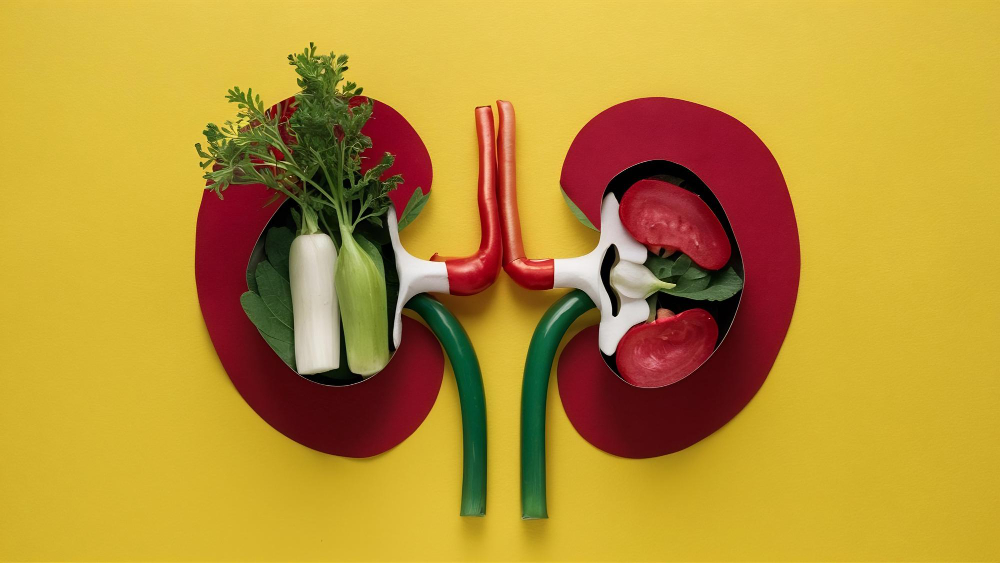
Acute kidney disease happens when your kidneys suddenly stop working well. This can cause waste to build up in your body. It may lead to serious health problems. However, you can lower your risk by making smart choices. In fact, diet changes to prevent acute kidney disease are simple and effective. Eating the right foods for kidney health helps protect your kidneys. Let’s explore ten easy diet changes you can start today.
1. Drink Enough Water Every Day
Staying hydrated helps your kidneys remove waste. When you drink enough water, your kidneys work better. However, drinking too much can also be harmful. Most adults need about 8 cups of water daily. But, your needs may vary based on your health and activity.
2. Limit Salt Intake
Too much salt can raise your blood pressure. High blood pressure is a major cause of kidney problems. Therefore, reducing salt helps prevent acute kidney disease. Choose fresh foods over processed ones, as they often have less salt.
3. Choose Lean Proteins
Proteins are important, but too much can strain your kidneys. Instead, pick lean sources like chicken, fish, or beans. This supports a kidney-friendly diet and helps prevent kidney damage.
4. Eat More Fruits and Vegetables
Fruits and vegetables are packed with nutrients. They help keep your kidneys healthy. However, some fruits are high in potassium. If you have kidney problems, ask your doctor which ones are safe.
5. Cut Back on Processed Foods
Processed foods often contain high amounts of salt, sugar, and unhealthy fats. These can harm your kidneys over time. Instead, focus on whole, natural foods for better kidney health.
6. Watch Your Sugar Intake
High sugar intake can lead to diabetes. Diabetes is a leading cause of kidney disease. Therefore, limiting sugar helps in preventing acute kidney disease through nutrition.
7. Maintain a Healthy Weight
Being overweight increases your risk of kidney disease. Eating balanced meals and staying active helps you keep a healthy weight. This supports your kidneys and overall health.
8. Limit Alcohol Consumption
Alcohol can dehydrate your body and harm your kidneys. Drinking less alcohol supports a kidney-friendly diet. If you drink, do so in moderation.
9. Avoid Overuse of Painkillers
Some painkillers, like NSAIDs, can damage your kidneys if used too often. Always follow your doctor’s advice. Instead of self-medicating, seek safer options when possible.
10. Monitor Your Blood Pressure
High blood pressure can harm your kidneys. Eating a healthy diet helps keep your blood pressure in check. Regular checks and healthy habits are key for prevention.
General Lifestyle and Prevention Tips
Besides diet, other habits help protect your kidneys. For example, regular exercise, not smoking, and managing stress all support kidney health. The CDC and WHO recommend these steps for everyone.
In summary, making small diet changes can have a big impact. These steps help you build a kidney-friendly diet and lower your risk. For more information, visit trusted sources like the CDC or WHO.
Consult a healthcare professional for personalized dietary advice to prevent acute kidney disease.