Introduction
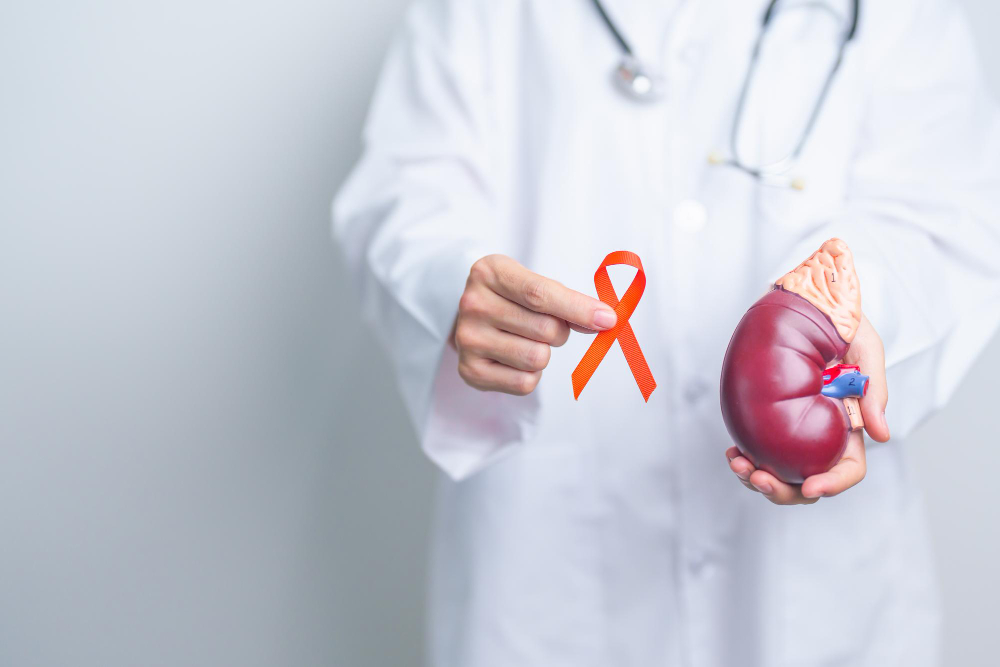
Kidney cancer is a serious disease, but early detection of kidney cancer can make a big difference. When doctors find kidney cancer early, treatment is often more successful. In fact, many people can live longer and healthier lives if the cancer is caught before it spreads. This blog explains why early detection of kidney cancer saves lives and how you can protect yourself and your loved ones.
What is Kidney Cancer?
Kidney cancer starts when cells in the kidneys grow out of control. The kidneys are two bean-shaped organs that filter waste from your blood. Most kidney cancers begin in the tiny tubes inside the kidneys. Although kidney cancer can affect anyone, it is more common in adults over 45 years old. According to the American Cancer Society, kidney cancer is among the top ten most common cancers in the United States.
Why Early Detection Matters
Finding kidney cancer early gives you the best chance for a cure. When doctors detect the cancer before it spreads, treatments work better. As a result, survival rates are much higher for early-stage kidney cancer. For example, the five-year survival rate is over 90% when the cancer is found early. However, if the cancer spreads, treatment becomes harder and survival rates drop. Therefore, early detection of kidney cancer saves lives.
Common Symptoms to Watch For
Often, kidney cancer does not cause symptoms in the early stages. However, you should watch for these warning signs:
If you notice any of these signs of kidney cancer, talk to your doctor right away. Early action can save your life.
Risk Factors for Kidney Cancer
Some people have a higher risk of developing kidney cancer. Knowing your risk can help you stay alert. Key risk factors include:
Even if you have risk factors, you can take steps to lower your chances. For example, quitting smoking and keeping a healthy weight can help.
How Kidney Cancer is Diagnosed Early
Doctors use several tests to find kidney cancer early. Often, kidney cancer is found by accident during tests for other problems. However, if you have symptoms or risk factors, your doctor may suggest:
Because early kidney cancer may not cause symptoms, regular kidney cancer screening is important for people at higher risk.
Treatment Options When Detected Early
When kidney cancer is found early, treatment is often simpler and more effective. Common early kidney cancer treatment options include:
For many people, early treatment means a better chance of full recovery. Your doctor will help choose the best option for you.
Tips for Prevention and Regular Screening
While you cannot prevent all cases of kidney cancer, you can lower your risk. Here are some helpful tips:
In addition, ask your doctor about kidney cancer screening if you are at higher risk. Early detection of kidney cancer saves lives, so regular health checks are important.
Conclusion
In summary, early detection of kidney cancer can greatly improve your chances of survival. Watch for symptoms, know your risks, and talk to your doctor about screening. Consult a healthcare specialist for personalized advice and regular kidney health checks.