Introduction
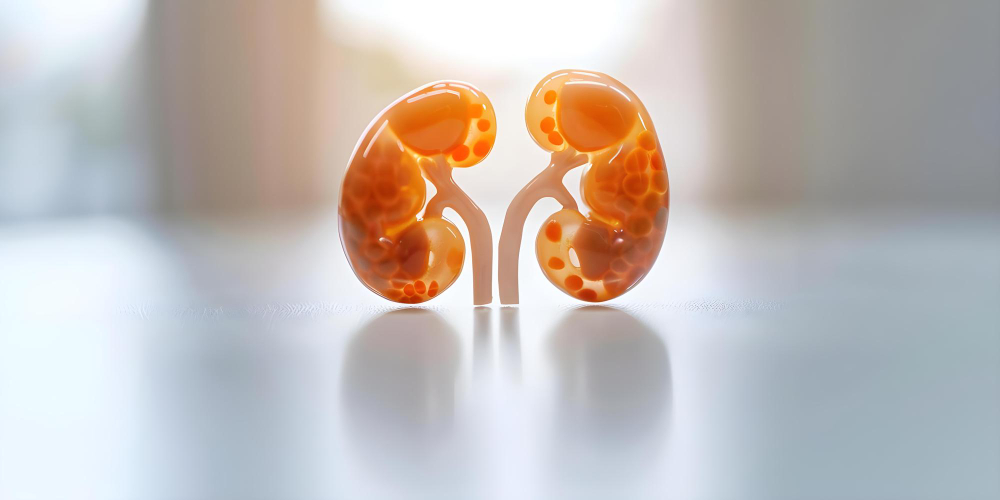
Hypertension, also called high blood pressure, is a common health problem. It means the force of blood against your artery walls is too high. Over time, this can harm many organs. One of the most affected organs is the kidney. In fact, hypertension and kidney damage are closely linked. When blood pressure stays high, your kidneys can lose their ability to filter waste. As a result, kidney disease may develop. According to the CDC, high blood pressure is a leading cause of kidney failure. Therefore, understanding this link is important for your health.
The Link Between Hypertension and Kidney Damage
High blood pressure puts extra strain on your blood vessels. Over time, this can damage the tiny blood vessels in your kidneys. Because kidneys filter waste from your blood, any damage can lead to serious problems. For example, when kidneys do not work well, waste builds up in your body. In addition, damaged kidneys can make blood pressure even higher. This creates a harmful cycle. According to the National Kidney Foundation, about one in five adults with high blood pressure has kidney disease. So, keeping your blood pressure in check helps protect your kidneys.
Common Symptoms
Often, early kidney damage from hypertension does not cause symptoms. However, as the problem gets worse, you may notice:
Because these symptoms can be mild at first, regular check-ups are important. Early detection helps prevent further kidney damage.
Causes and Risk Factors
Many things can raise your risk for hypertension and kidney damage. Some of the main causes and risk factors include:
Additionally, certain medicines or health conditions can increase your risk. Knowing your risk factors can help you take steps to protect your kidneys.
Diagnosis Methods
Doctors use several tests to check for hypertension and kidney damage. First, they measure your blood pressure. Next, they may order blood tests to check how well your kidneys work. For example, a test called eGFR shows how well your kidneys filter waste. Urine tests can also find protein or blood, which may signal kidney problems. Sometimes, doctors use imaging tests like ultrasound to look at your kidneys. Early diagnosis is key to preventing serious damage.
Treatment Options
Treating hypertension and kidney damage often involves several steps. Your doctor may suggest:
In some cases, you may need more advanced treatments. For example, if kidney damage is severe, dialysis or a kidney transplant may be needed. However, most people can manage their condition with medicine and lifestyle changes.
Lifestyle and Prevention Tips
There are many ways to lower your risk of high blood pressure kidney risks. Here are some helpful tips:
By following these steps, you can help prevent kidney disease from hypertension. Even small changes can make a big difference over time.
When to See a Doctor
If you have high blood pressure, it is important to see your doctor regularly. However, you should seek medical help right away if you notice:
Early treatment can prevent serious problems. Therefore, do not ignore these warning signs.
Conclusion
Hypertension and kidney damage are closely linked. High blood pressure can harm your kidneys over time. However, you can lower your risk by making healthy choices and getting regular check-ups. If you have concerns about your blood pressure or kidney health, consult a specialist for personalized guidance.