Introduction
Kidney stones can cause severe pain and serious health problems if not treated early. Knowing the kidney stones warning signs helps you act fast. Early symptoms of kidney stones often start mild but can get worse quickly. Many adults wonder when to see a doctor for kidney pain or what signs of kidney stones in adults to watch for. In this blog, you will learn what kidney stones are, why early detection matters, and which symptoms you should never ignore.
What Are Kidney Stones?
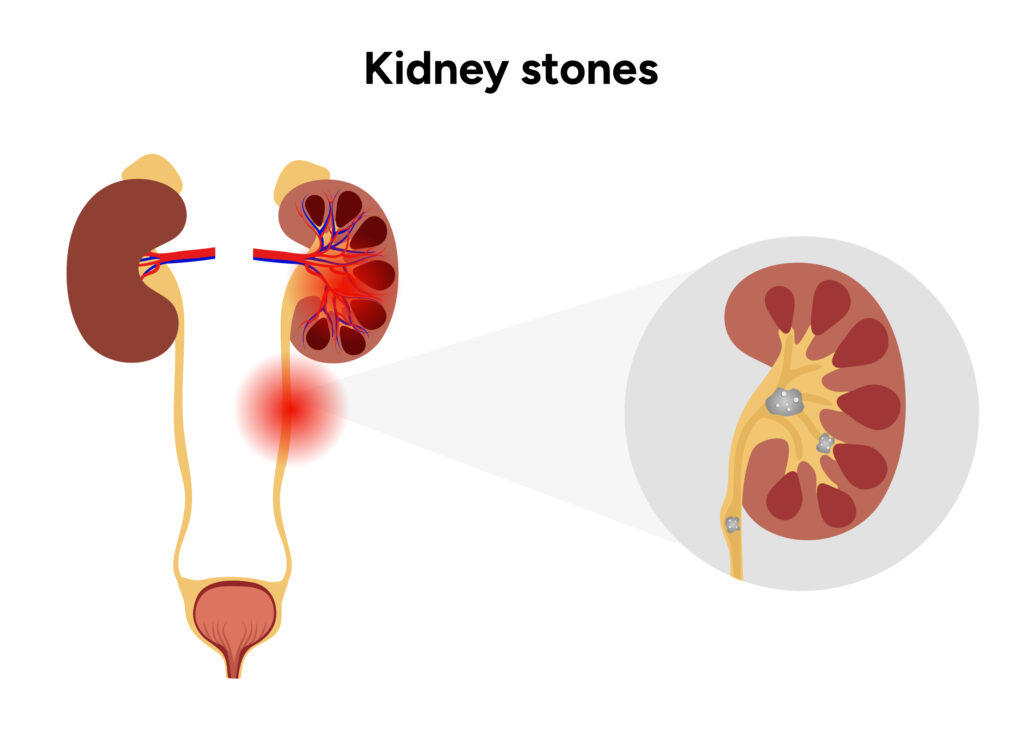
Kidney stones are hard lumps that form inside your kidneys. They develop when minerals and salts in your urine stick together. Over time, these stones can grow larger and block the flow of urine. Because of this, you may feel pain or notice other symptoms. Anyone can get kidney stones, but some people are at higher risk. For example, people who do not drink enough water or have certain health conditions may develop stones more easily. According to the National Kidney Foundation, about 1 in 10 people will have a kidney stone at some point in their life.
Why Early Detection Matters
Early detection of kidney stones can prevent serious problems. If you catch the warning signs early, you may avoid severe pain or kidney damage. Sometimes, small stones can pass on their own. However, large stones may need medical treatment. If left untreated, kidney stones can cause infections or blockages. This can lead to kidney damage or other health issues. Therefore, knowing the early symptoms of kidney stones is important for your health.
Major Warning Signs and Symptoms
Kidney stones can cause many symptoms. Some are mild at first, but others can be severe. Watch for these warning signs:
Not everyone will have all these symptoms. However, if you notice any of them, pay close attention.
When to Seek Medical Help
Some symptoms mean you should see a doctor right away. For example, if you have severe pain that will not go away, seek help. Also, if you see blood in your urine or have a fever with chills, call your doctor. These can be signs of a serious problem. In addition, if you cannot pass urine or feel very sick, do not wait. Early treatment can prevent more serious health issues.
Diagnosis and What to Expect
If your doctor thinks you have kidney stones, they will do some tests. First, they may ask about your symptoms and health history. Next, you may need a urine test or blood test. These can show if you have an infection or other problems. Often, doctors use imaging tests like an ultrasound or CT scan to see the stones. These tests help your doctor decide the best treatment for you. Sometimes, small stones can pass on their own. Other times, you may need medicine or a simple procedure to remove the stone.
Prevention Tips and Lifestyle Guidance
While not all kidney stones can be prevented, you can lower your risk. Here are some helpful tips:
According to the CDC, healthy habits can make a big difference in preventing kidney stones.
Conclusion
In summary, kidney stones can cause serious pain and health problems if ignored. However, knowing the warning signs and early symptoms of kidney stones helps you act quickly. If you notice any warning signs of kidney stones, consult a healthcare specialist for personalized advice.