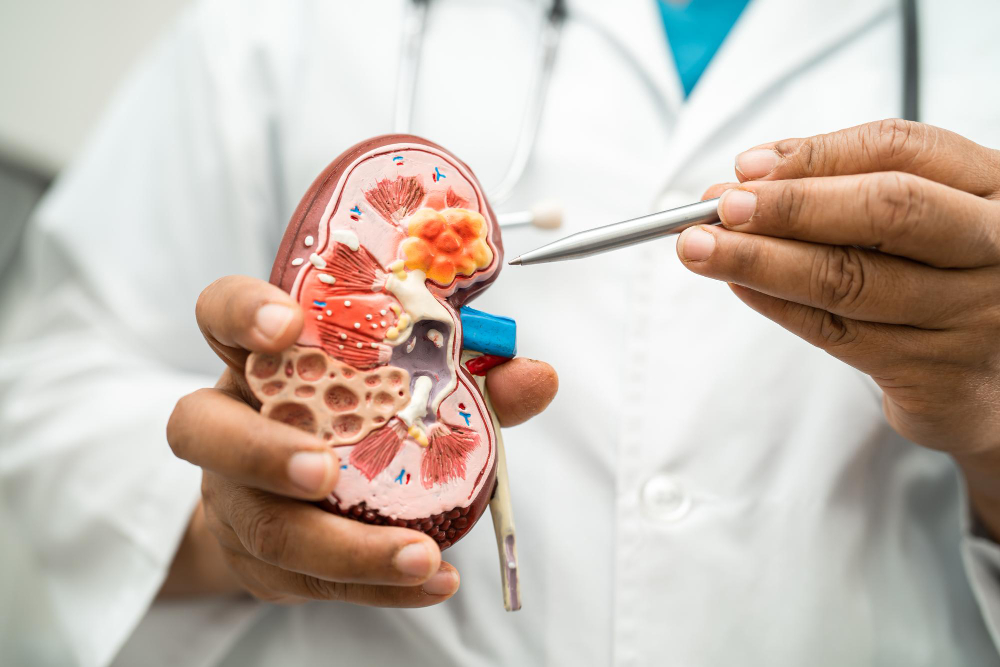
Glomerulonephritis is a type of kidney inflammation that affects the tiny filters in your kidneys. These filters, called glomeruli, help remove waste and extra fluid from your blood. When they become inflamed, your kidneys cannot work as well. Because kidney health is vital for your overall well-being, understanding glomerulonephritis is important. Early detection and treatment can help prevent serious kidney disease. In this blog, we will explain what glomerulonephritis is, its symptoms, causes, diagnosis, and treatment options. We will also share tips for managing and preventing this condition.
What is Glomerulonephritis?
Glomerulonephritis is a condition where the glomeruli in your kidneys become inflamed. As a result, your kidneys may not filter blood properly. This can lead to waste and fluid buildup in your body. Sometimes, glomerulonephritis happens suddenly. Other times, it develops slowly over months or years. Either way, it can affect your renal health and may lead to chronic kidney disease if not treated.
Common Symptoms
Many people with glomerulonephritis do not notice symptoms at first. However, as the condition worsens, signs may appear. For example, you might see:
Because these symptoms can be mild, it is important to pay attention to any changes in your body. If you notice these signs, you should talk to your doctor.
Main Causes and Risk Factors
Glomerulonephritis can have many causes. Sometimes, it happens after an infection, such as strep throat. In other cases, it is linked to immune system problems. For instance, conditions like lupus or vasculitis can trigger kidney inflammation. Additionally, some people inherit a higher risk from their family. Other risk factors include:
Because many factors can lead to glomerulonephritis, knowing your risks can help you stay alert.
Diagnosis Methods
Doctors use several tests to diagnose glomerulonephritis. First, they may ask about your symptoms and medical history. Next, they often order urine tests to check for blood or protein. Blood tests can show how well your kidneys are working. In some cases, doctors use imaging tests, such as ultrasound, to look at your kidneys. Sometimes, a kidney biopsy is needed. This means taking a small sample of kidney tissue to examine under a microscope. Early diagnosis is key to better outcomes.
Treatment Options
Treatment for glomerulonephritis depends on the cause and how severe it is. Often, doctors recommend:
In severe cases, dialysis may be needed to help your kidneys filter waste. However, with early treatment, many people recover well. Always follow your doctor’s advice for the best results.
Lifestyle Tips for Managing Glomerulonephritis
While medical treatment is important, lifestyle changes can also help. For example, you can:
Because these steps support your kidney health, they can make a big difference in how you feel each day.
Prevention Strategies
Although not all cases can be prevented, you can lower your risk. For instance, you should:
By taking these steps, you help protect your kidneys and overall health.
When to See a Doctor
It is important to see a doctor if you notice signs of kidney problems. For example, seek help if you have blood in your urine, swelling, or high blood pressure. Additionally, if you have a family history of kidney disease, regular check-ups are wise. Early care can prevent serious complications. Do not wait if you are concerned about your renal health.
For more information, you can visit trusted sources like the CDC and WHO.
Conclusion: Glomerulonephritis can be serious, but early action helps. Consult a nephrologist for personalized advice about glomerulonephritis and kidney health.